The Real Cost of Living in Playa del Carmen in 2026
What a month here actually costs — rent, food, transport, and the bill everyone forgets
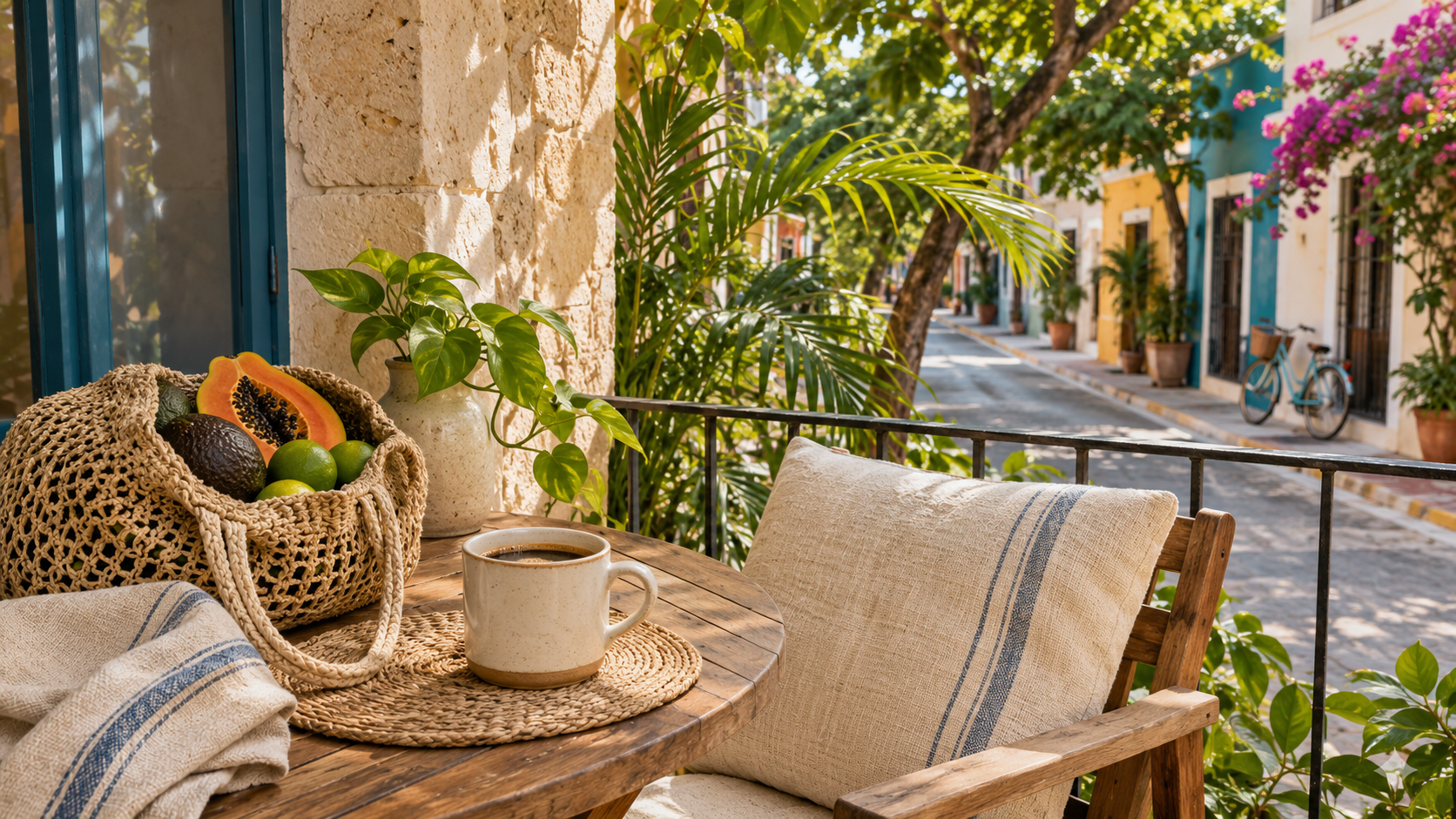
After the purchase price, this is the question every buyer asks: what does it actually cost to live here, month to month? Not the holiday version — the real one, with rent, electricity, groceries, and a normal life.
The short answer: a comfortable single life in a good one-bedroom apartment runs roughly $1,900–$2,500 a month (35,000–45,000 MXN), all in. You can do it for around $1,550 if you are careful about where you live and eat, and you can easily spend $3,700 if you want a new condo with a pool, a car, and a lot of dinners on Fifth Avenue. The figures below are typical ranges reported in late 2026; prices move with the zone, the season, and the lifestyle, so treat them as a guide and confirm before you decide.
1. Rent: the biggest line, and the widest range
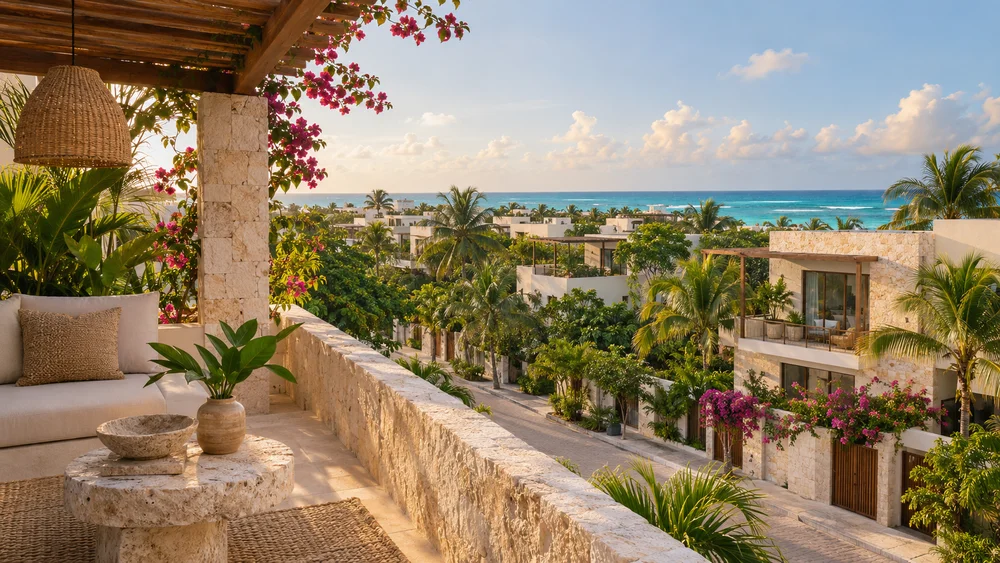
Rent is roughly half of most people's budget, and it is the line that varies most. Where you live matters more than how big the place is.
- One-bedroom in the centre or near the beach: roughly $950–$1,100 a month (18,000–20,000 MXN) for a decent furnished apartment. Asking prices in Centro right now run mostly 25,000–35,000 MXN for newer one-bedrooms.
- One-bedroom outside the centre, in local neighbourhoods: roughly $350–$800 a month, depending on the area and the finish. Colosio, for example, runs about $500–$800.
- Three-bedroom in the centre: roughly $1,350–$2,400 a month.
Two things to check before you sign a lease: what is included (furniture, appliances, internet, maintenance fee), and what the deposit and advance terms are. A "cheap" rent with a high maintenance fee or an old air conditioner is not cheap.
2. Utilities — and the air-conditioning bill everyone forgets
Basic utilities for an 85 m² apartment — electricity, water, garbage — average around $80–$85 a month. Internet (fibre, 50–100 Mbps, standard in most residential areas) adds about $30 a month.
The line most guides understate is electricity. The Federal Electricity Commission (CFE) bills every two months on a tiered system: the more you use, the higher the rate per kilowatt-hour, and above a threshold (the DAC tariff) the price roughly doubles. In a hot climate with the air conditioning running, that bill can surprise you. When you look at a property, ask how old the air-conditioning units are and what the last CFE bills were. It is a fair question, and a good seller or landlord will answer it.
3. Groceries and eating out
Groceries for one person run about $200–$260 a month if you cook mostly at home. Local markets are cheaper than the supermarkets on the tourist strip, and the difference adds up over a month.
Eating out is where Playa del Carmen shows its two faces:
- A meal at an inexpensive local restaurant: about $10–$12.
- Dinner for two at a mid-range restaurant (three courses, no drinks): about $40–$45.
- A meal on Fifth Avenue or in a tourist restaurant: roughly $15–$35 per person.
A regular habit of eating out adds about $200–$290 a month for one person. Cooking at home and living a few blocks inland is the single biggest lever on the food budget.
4. Getting around
Playa del Carmen is one of the most walkable cities in the Riviera Maya, and the centre is flat. Most daily life needs no car.
- Colectivo (shared van): about MX$10–15 per ride.
- Monthly public transport pass: about MX$500 (roughly $27).
- Short taxi ride: about MX$40–120; a longer one, MX$80–150. Prices rise in high season.
- Bicycle rental: about MX$1,000–1,500 a month.
A car is a choice, not a need — and it adds insurance, fuel, and parking to the monthly total. The Tren Maya connects Playa del Carmen with Cancún and the airport in about 50 minutes, which is worth knowing if you fly often.
5. Health
Three private hospitals serve the city. For complex treatment, people go to Cancún or Mérida. Private health insurance for an expat runs about $125 a month as a typical figure — it varies a lot by age and coverage, so get a quote for your case rather than budgeting from an average.
6. Leisure and the beach life
This is the part people move here for, and it is cheaper than it looks from the outside. The beach is free. A gym membership runs about $65–70 a month. Beach clubs, cenote trips, and weekend outings are the variable part — budget for them honestly, because they are the reason you are here.
7. Three sample monthly budgets (one person)
| Monthly cost | Careful | Comfortable | Generous |
|---|---|---|---|
| Rent (1 bedroom) | $800 (15,000 MXN) | $1,150 (21,000 MXN) | $1,650 (30,000 MXN) |
| Utilities + internet | $80 | $110 | $160 |
| Groceries | $200 | $260 | $350 |
| Eating out | $100 | $250 | $450 |
| Transport | $30 | $60 | $200 (car) |
| Health insurance | $100 | $125 | $200 |
| Leisure + gym | $100 | $250 | $550 |
| Total | ~$1,550 (28,000 MXN) | ~$2,300 (41,600 MXN) | ~$3,700 (66,500 MXN) |
A couple runs about $2,080 a month with rent; a family of three, about $2,965. Those are the reported averages — your household will differ, and that is the point: build the budget around your life, not around an average.
8. What the numbers do not show
- Rent before you buy. If you are thinking of moving here, rent first. Live in the neighbourhood, learn the streets, the noise, the water pressure, the electricity. Then buy with your eyes open.
- Residency has its own threshold. A temporary residency visa requires proving roughly MX$80,000 a month in income over six months (or the equivalent in savings) at a Mexican consulate. The thresholds move with the UMA benchmark and change year to year — check with the consulate before you plan around a number.
- Playa is one of the pricier places in Mexico to rent, because so much of the market is aimed at tourists and foreigners. Compared with Mexico City, though, living here still runs about 29% cheaper overall, with the biggest gap in rent and groceries.
The bottom line
Playa del Carmen is not the cheapest place in Mexico, and it is not the most expensive place in the Caribbean either. A single person lives well here on roughly $1,900–$2,500 a month, and the difference between a careful month and a generous one is almost entirely rent, restaurants, and how often the air conditioning runs.
If you are looking at a property here — to live in, to retire to, or to rent out — the purchase price is only the first number. Ask for the second one too: what it costs to live in it, month to month, with documents. We will walk you through both.
Figures are typical ranges reported in late 2026 from public cost-of-living sources (Numbeo, CityCost, LivingCost and local guides), in US dollars at roughly 18 pesos to the dollar. Prices change by zone, season, and lifestyle — confirm the current figures for your specific situation before deciding.