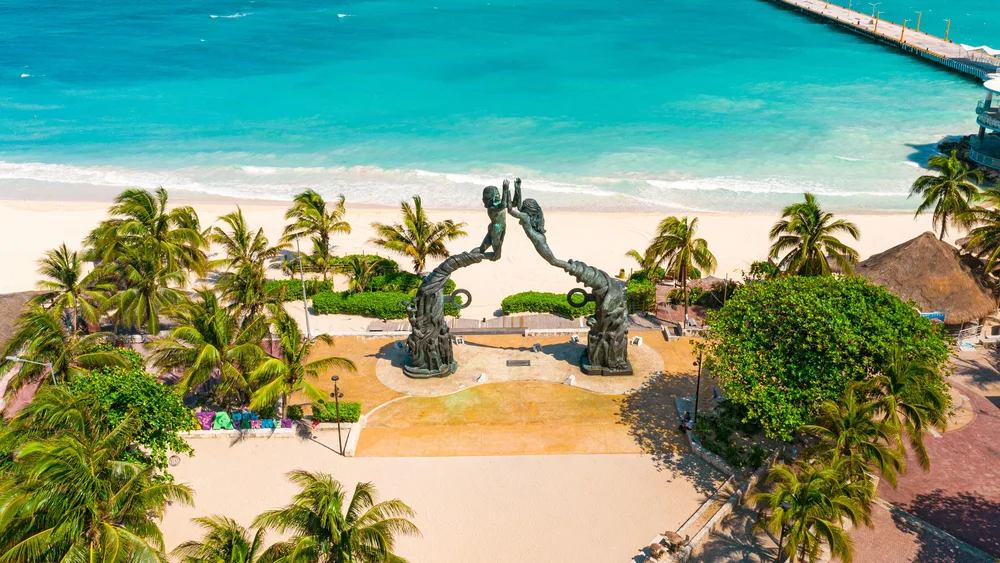
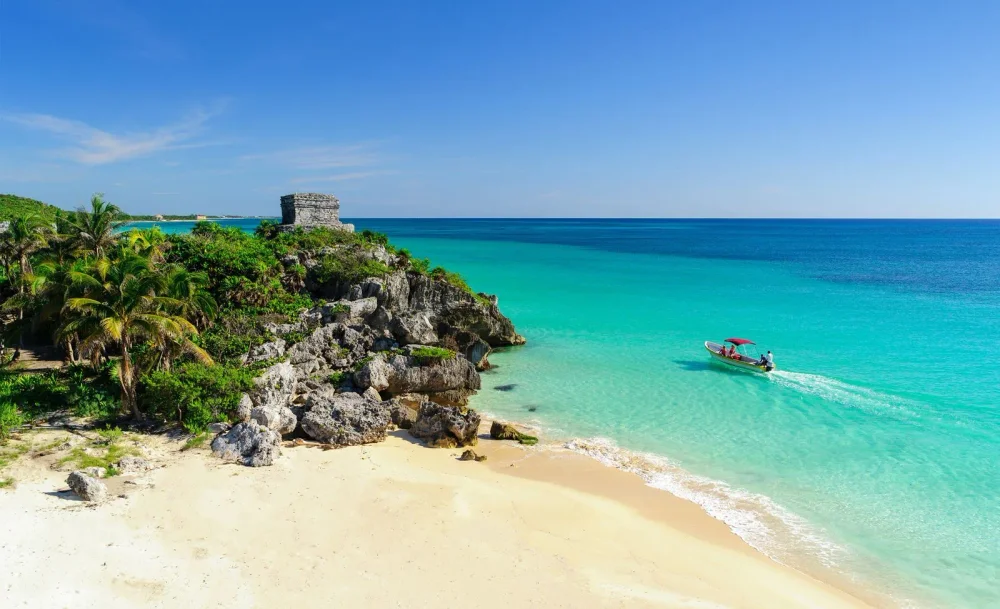
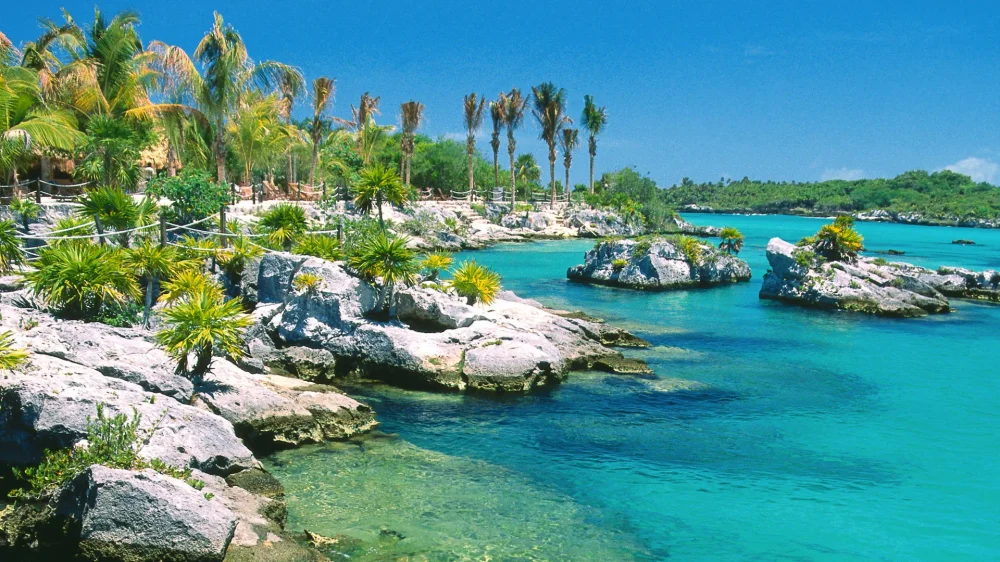
Buying a home in another country should feel exciting, not uncertain. If you are considering a property in Playa del Carmen, Tulum, or Cancún, here is how the process works in Mexico, what to check before you commit, and where most foreign buyers get tripped up — so you can move forward with confidence.
1. Yes, foreigners can own property in Mexico
Foreign buyers can own residential property in Mexico. The one rule to know first is the restricted zone: within 50 km of the coast and 100 km of an international border, foreign ownership is held through a fideicomiso — a bank trust. The Riviera Maya is inside the restricted zone, so most foreign buyers here purchase through a fideicomiso.
A fideicomiso is not a lease and it is not a timeshare. The bank holds legal title in trust for you, as the beneficiary. You keep the rights that matter: to live in the home, rent it, renovate it, sell it, and pass it to your heirs. Trusts are typically set up for 50 years and can be renewed.
Outside the restricted zone, a foreign buyer can generally hold title directly. Either way, the purchase is formalised before a Mexican notario público — a public notary who is a licensed attorney appointed by the state, and whose role is to verify the legality of the transaction.
2. The buying process, step by step
- Find the property and agree the terms. Price, payment schedule, and what is included (furniture, appliances) are agreed in writing.
- Make an offer and sign a promise agreement. A reservation or promise-to-purchase agreement usually follows, with a deposit.
- Due diligence. This is the step that protects you. Before signing the final deed, verify the title, the seller's authority to sell, and that the property is free of liens and debts.
- Sign the deed (escritura) before the notario. The notario prepares the public deed, calculates the taxes, and registers the property in your name (or in the fideicomiso).
- Register and take possession. The notario records the deed in the Public Property Registry. Only then is the transfer complete.
Timelines vary. A straightforward resale can close in a few weeks; a pre-sale or a fideicomiso setup takes longer. Build that into your plans rather than rushing it.
3. What to verify before you sign anything
- Title and ownership. Confirm the seller is the registered owner and that the property matches the deed — lot size, construction area, and boundaries.
- Liens and debts. Check for mortgages, liens, and unpaid property tax (predial), maintenance fees, or HOA dues. Unpaid debts can follow the property, not just the seller.
- Condominium regime. If the property is a condo, review the condominium rules, the monthly maintenance fee, and what it covers — and whether there are outstanding assessments.
- Permits and land use. For land or new construction, confirm the land-use permit (uso de suelo) allows what you plan to build.
- The developer's track record. For pre-sales, ask what has actually been delivered before, and what is still only a render. A project in pre-sale is a promise; check what exists on the ground today.
If a seller or agent cannot show you a document, treat that as a question to answer — not as a detail to skip.
4. What it costs beyond the price
Budget beyond the purchase price. As a guide, foreign buyers typically allow for:
- Acquisition tax and notary fees, calculated by the notario and varying by state and price.
- Fideicomiso setup and annual fees, charged by the trustee bank.
- Closing and registration costs, including the Public Registry.
- Legal review, if you engage an attorney to review the documents independently.
Ask for the notario's written estimate of closing costs before you commit to a date. Figures quoted as "starting from" or estimates should be confirmed in writing — they change with the property and the timing.
5. Paying for it
Many foreign buyers pay cash or with financing from their home country. Developer financing is also common for pre-sales in the Riviera Maya, sometimes directly with the developer and without a Mexican credit check — but always read the payment schedule, the penalties for late payment, and what happens if the project is delayed.
Mexican bank mortgages for foreigners exist but are less common and take longer to arrange. If you need one, start that conversation early, before you sign a promise agreement with a tight deadline.
6. Renting it out
If you plan to rent the property — short-term or long-term — check three things first: the condominium rules (some buildings restrict short-term rentals), the local regulations for the area, and your tax obligations in Mexico. Rental income earned in Mexico is taxable in Mexico, and you will need the right tax registration to invoice and report it properly.
7. The questions worth asking your advisor
- What exactly is included in the price, and what is not?
- What documents have you verified, and which are still pending?
- What is the realistic closing timeline — and what could delay it?
- What are the total closing costs, in writing, from the notario?
- If this is a pre-sale, what is built today and what is the delivery date in the contract?
A good advisor answers these plainly, with documents, before asking you for a deposit.
The bottom line
Buying in the Riviera Maya as a foreigner is a well-trodden path — the fideicomiso, the notario, and the registry exist precisely to make it safe. The buyers who have a good experience are not the ones who move fastest. They are the ones who verify the title, understand the costs, and know what is pre-sale and what is already built.
If you are looking in Playa del Carmen, Tulum, or Cancún and want a clear picture of a specific property — what is verified, what is still pending, and what it will really cost to close — write to us. We will walk you through it, document by document.
This article is general information about buying property in Mexico, not legal advice. Rules, taxes, and fees change and vary by state and municipality — your notario can confirm the figures for your specific purchase.